The Jain Festivals
The parvas that shape the Jain year, and what each one actually commemorates.
Practice
2 min read
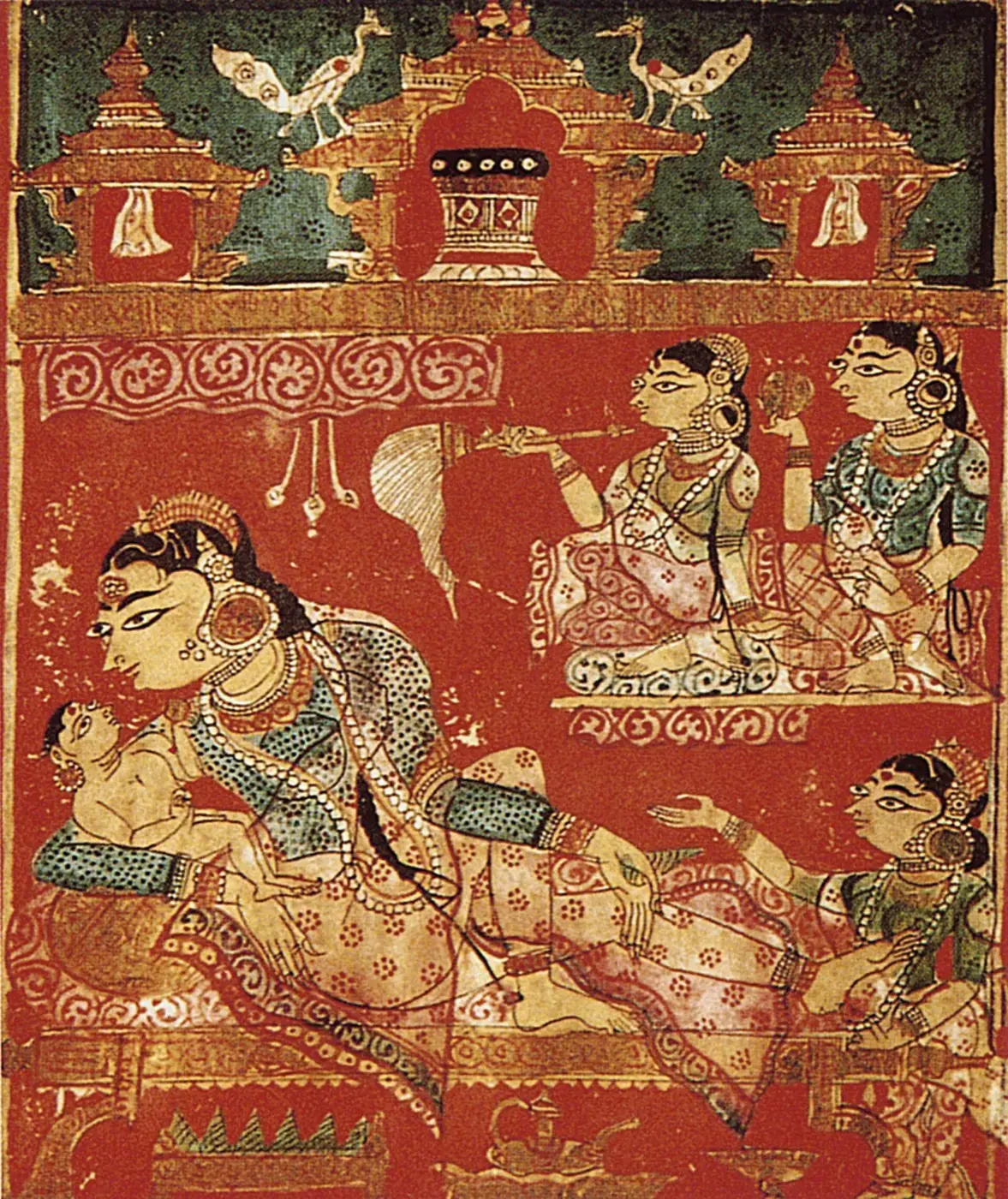
Anonymous, The Birth of Mahavira, from a Kalpa Sutra, c. 1375–1400, Public domain. Resized and converted to WebP.
What a parva is for
A Jain festival is not primarily a celebration. Every parva in the calendar is an occasion for more restraint rather than less: more fasting, more study, more time in the mandir, more giving. The joy is real, but it is the joy of a period set aside, not of a feast.
The year, in order
- Mahavir Janma Kalyanak, Chaitra
- The birth of the twenty-fourth Tirthankar, on the thirteenth of the bright fortnight of Chaitra, usually in March or April. Marked by processions, discourse and charitable giving rather than by festivity.
- Akshaya Tritiya, Vaishakh
- Commemorates the first alms ever given to an ascetic. Bhagwan Rishabhdev, the first Tirthankar, went without food for over a year because nobody yet knew how to offer it correctly, until King Shreyans gave him sugarcane juice. The day is kept by those completing long fasts.
- Das Lakshan, Bhadrapada
- Ten days on the ten dharmas, the largest observance of the Digambar year, followed by Kshamavani.
- Vir Nirvan, Kartik
- Bhagwan Mahavir attained liberation on the night of the new moon of Kartik, the night the rest of India keeps as Diwali. Jains light lamps for the same reason but with a different meaning: the light of knowledge left the world that night, and the lamps stand in for it.
- Ashtanhika, three times a year
- Eight days in each of Kartik, Phalgun and Ashadh, given to worship and study. In Jain cosmology the celestial beings are said to worship at the eternal shrines of Nandishvar Dvip during these days.
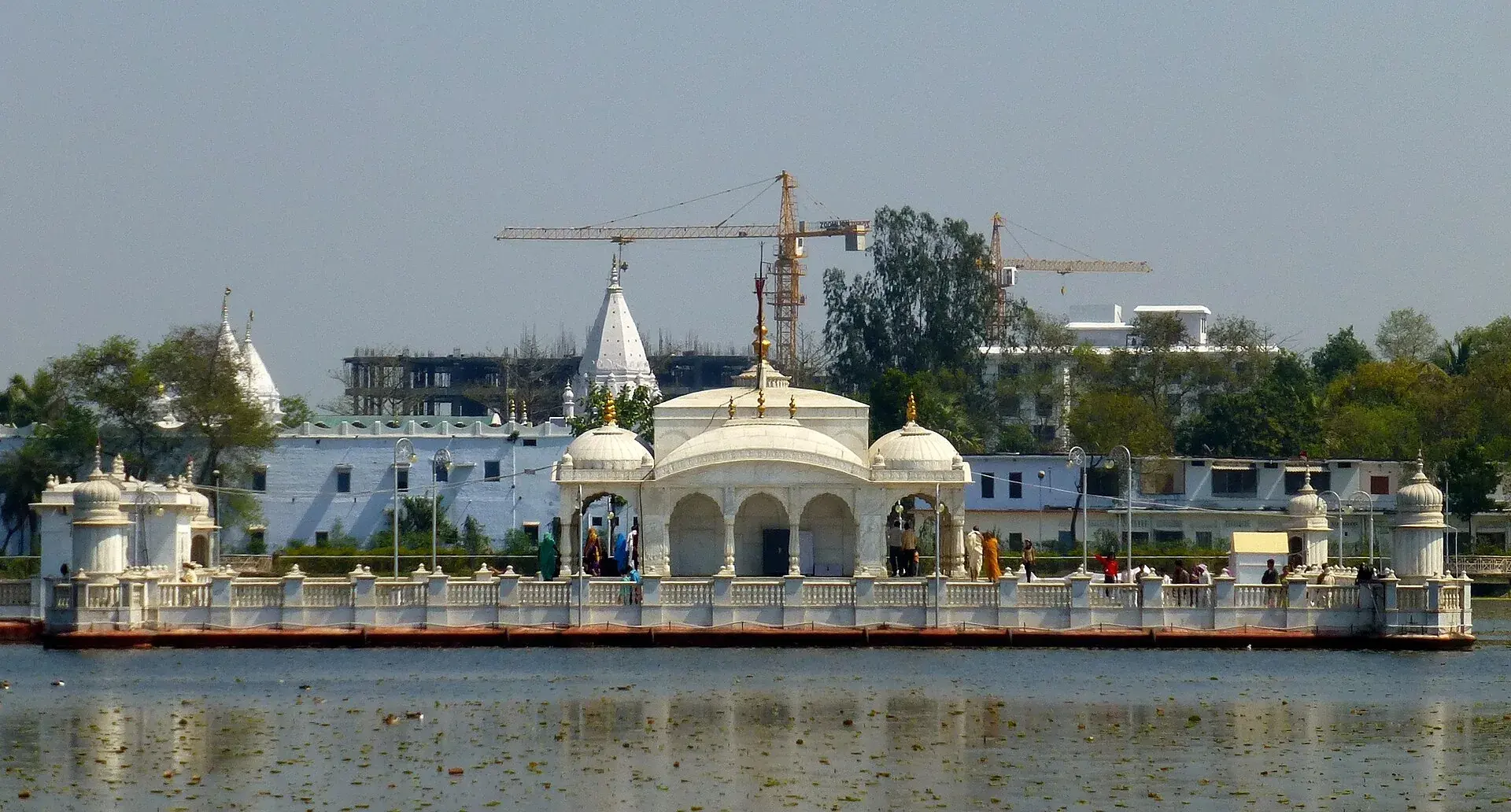
Photo Dharma from Penang, Malaysia, Pawapuri, temple marking Mahavira's passing, CC BY 2.0. Resized and converted to WebP.
Kalyanaks, and why there are so many dates
Each of the twenty-four Tirthankars has five kalyanaks, five auspicious events in their life, and each of those has a date in the Jain calendar. Twenty-four multiplied by five gives a great many observances, and a devout household will keep the ones connected to the Tirthankar of its own kshetra with particular care.
Terms on this page
- Kalyanakकल्याणक
- One of the five auspicious events in a Tirthankar's life: conception, birth, renunciation, omniscience and liberation.
- Ashtanhikaअष्टान्हिका
- An eight-day observance kept three times a year, in Kartik, Phalgun and Ashadh, devoted to worship and study.
- Vir Nirvanवीर निर्वाण
- The liberation of Bhagwan Mahavir, observed on the night of Diwali. The Jain new year begins the following day.
Common questions
Is Jain Diwali the same festival as the Hindu one?
The same night, a different occasion. For Jains it marks the nirvan of Bhagwan Mahavir in 527 BCE and the attainment of omniscience by his chief disciple Gautam Swami the following dawn. The lamps commemorate the loss of a living light, so the day is kept quietly, with worship rather than fireworks.